Fire risk guide
How often a fire risk assessment review is needed
Find out when a fire risk assessment needs reviewing, what changes force an earlier look, and how the law treats frequency of fire assessments UK wide for homes and flats around Maidstone.
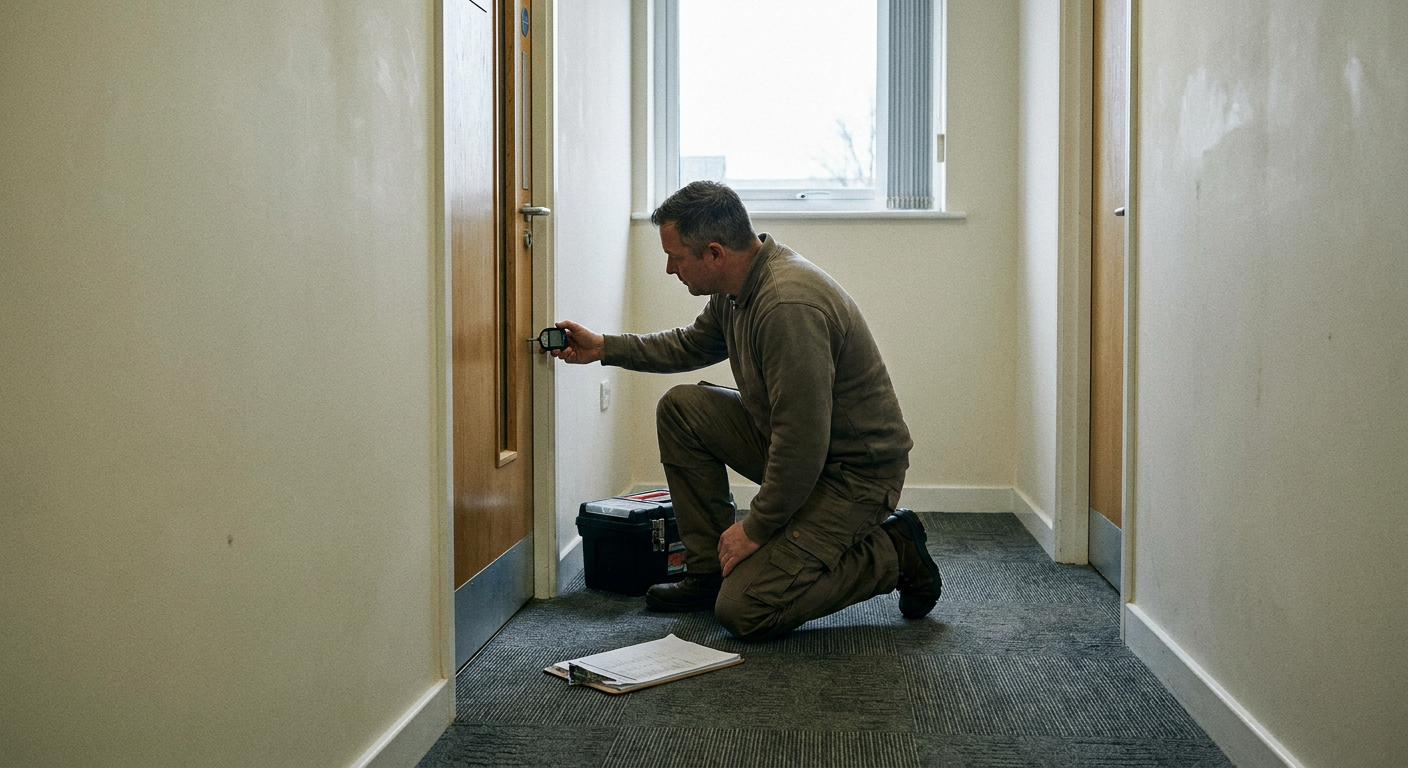
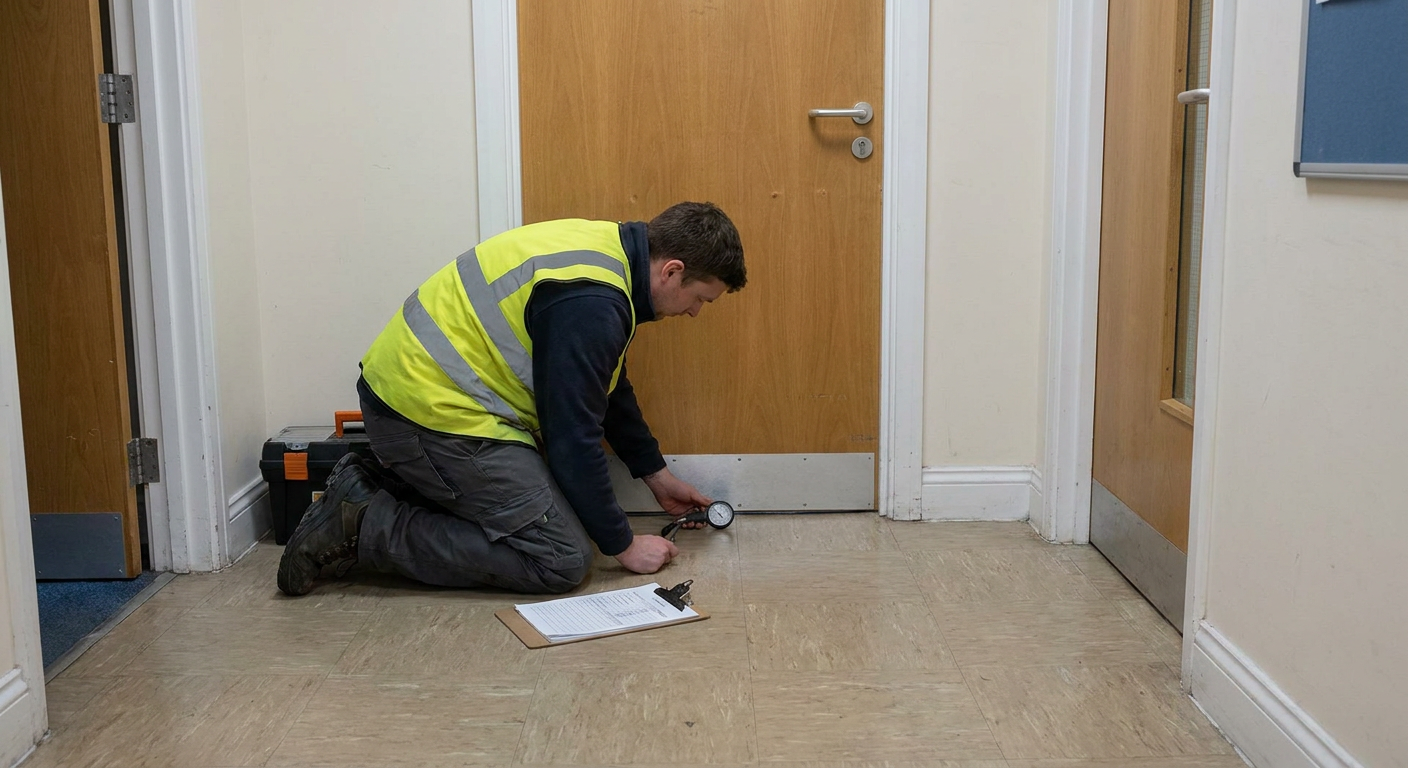
When to redo fire risk assessment by building type
People often ask how often fire risk assessment review is needed. There is no fixed fire risk assessment expiry date written into law. The requirement is that the document stays suitable and sufficient. For a small converted house in Maidstone, an annual check is common practice because tenants change and wear accumulates quickly.
Larger blocks usually follow an annual review block of flats schedule, though the interval depends on the complexity of the escape routes and the number of shared areas. A purpose-built tower with a dry riser demands more frequent attention than a low-rise conversion in Barming or Larkfield. The specialist firm carrying out the work decides the interval based on what they find during the initial visit.
If you are unsure whether your building needs a fresh look, consider what has happened since the last one was completed. A quiet period with no changes might mean the existing document holds up. But any shift in use, occupancy or structure shortens that window. Read more about [Responsible Person Fire Safety Duties in Maidstone](/the-law/responsible-person-duties-maidstone) to see who holds this decision.
Changes that trigger an early review
Certain events make it sensible to decide when to redo fire risk assessment sooner than planned. Building works are the most common reason. If communal redecoration has taken place or new front doors have been fitted, those changes affect how fire and smoke move through the building. A fire assessment update after works ensures the compartmentation still performs as intended. You can read more about [Compartmentation Survey in Maidstone: Fire Spread Checks](/compartmentation-survey-maidstone) if walls or ceilings were opened up.
A change in tenancy matters too. New residents may not know the escape routes, or they may store belongings differently in corridors. If there has been a small fire in a flat, reassess the building promptly. Even a contained incident reveals how alarms performed, whether doors closed properly and how quickly people moved. Waiting for the scheduled date ignores what just happened.
Alterations to the layout, such as converting a storage room into a bedroom or installing new wiring for winter heaters, also demand a fresh look. See [Winter Fire Risks in Flats: Heaters and Overloaded Sockets](/the-law/winter-heaters-and-overloaded-sockets) for seasonal issues that change the risk profile.
Review versus a full new assessment
A review does not always mean starting from scratch. If the building has changed little, the specialist updates the existing document. They revisit the site, check that previous recommendations were acted on, and note anything new. This takes less time than a first full assessment because the baseline information already exists.
But if years have passed, or if the original was done by a previous managing agent whose records are missing, a full reassessment makes more sense. The specialist needs to verify everything themselves rather than rely on old notes that may be wrong. In that situation, treat it as a new job.
Cost reflects the scope. An update costs less than a first visit because the specialist spends fewer hours on site and writing. Exact figures depend on the size of the building and the extent of the changes. Find out more about [Fire Risk Assessment in Maidstone: Cost and Coverage](/fire-risk-assessment-maidstone) for typical pricing across local homes and flats.
What the law actually requires
There is no statutory interval printed in legislation. The law says the assessment must be reviewed regularly and kept up to date. That phrase leaves room for judgement, which is why the frequency of fire assessments UK wide varies so much between a single flat above a shop and a large student housing block.
The responsible person must decide when a review is due. If Kent Fire and Rescue Service inspects a building in Maidstone and finds an outdated document, they will judge whether the gap was reasonable given what changed in the meantime. A letter from the council or fire service often follows such inspections. Read [Fire Safety Letter From the Council: What to Do Next](/the-law/council-or-fire-service-letter) if you have received one.
Leaseholders have a right to see the current assessment and its review date under the Fire Safety (England) Regulations 2022. Keeping the document current avoids disputes and ensures everyone knows the plan. Check [Fire Safety (England) Regulations 2022 in Maidstone](/the-law/fire-safety-england-regulations-2022-maidstone) for the specific duties that apply to your building.
Common questions about review intervals in Maidstone
Answers to the things landlords and leaseholders ask most often before booking a visit.
- Converted house review interval
- For a small converted house in Maidstone, an annual review is standard practice because occupancy and wear change frequently.
- Update or full reassessment
- A review updates the existing document. If years have passed or records are lost, the specialist starts a fresh full assessment.
- Works triggering early review
- Communal redecoration or new front doors alter fire behaviour. Book a fire assessment update after works to confirm safety.
- Legal interval requirements
- No fixed legal interval exists. The assessment must remain suitable and sufficient, judged against any changes to the building.
- Cost of a review
- An update costs less than a first full assessment because the specialist spends fewer hours on site verifying known details.
- After a small fire
- Reassess the building promptly after any fire, however small. It reveals how alarms, doors and escape routes performed.
Ask about a fire risk assessment review
Send details about your home or building. The enquiry goes to a specialist firm in Maidstone who will reply with what they recommend. It does not commit you to booking anything.
- No obligation to proceed
- Local specialist firms
- Plain advice first