Student housing guide
Student housing fire safety in Maidstone
Find out what a pre-term check involves, how shared kitchens change the risk, and what records to keep for halls and term-time houses around Maidstone.

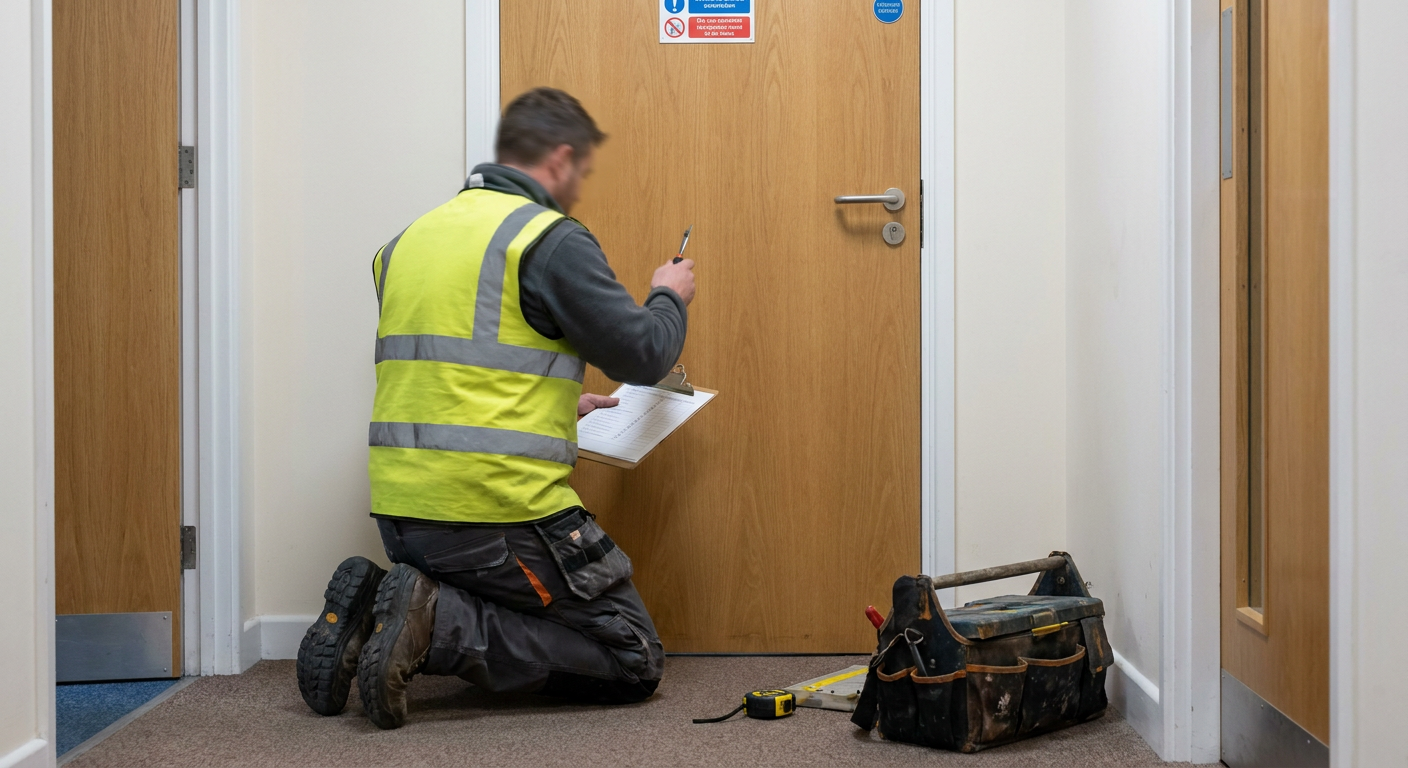
Checks before students arrive for term in Maidstone
A term time house fire assessment starts before anyone moves in. The specialist walks every escape route, checks that fire doors close fully on their own, and confirms smoke alarms sound at each detector head. In halls of residence, fire checks extend to communal lounges, laundry rooms and bin stores.
Any faults found during these visits need fixing before the first student unpacks. Wedged doors, painted-over detectors or blocked corridors all get recorded. The assessor produces a report stating what is wrong and what needs doing. Managers of student lets near the University for the Creative Arts or the mid-Kent campuses use this document to plan maintenance over the summer break.
The [responsible person](/the-law/responsible-person-duties-maidstone) must act on the findings. Leaving a fault unresolved when hundreds of students return for freshers week creates a danger and leaves the manager exposed if the council inspects. A follow-up visit can confirm the work was done properly.
Shared kitchens and the higher fire risk they carry
A student kitchen fire risk in Kent buildings follows the same principles as any shared cooking space, but the frequency of use and the turnover of occupants make it a priority area. Hobs left on, grease build-up behind cookers and tea towels draped over microwaves are problems the assessor looks for in every shared house and hall.
The [fire risk assessment](/fire-risk-assessment-maidstone) treats these rooms differently from bedrooms or corridors because the ignition sources are constant. Recommendations usually cover the type of extinguisher mounted by the door, the spacing of heat detectors versus smoke detectors, and whether automatic suppression is needed above the hob.
Managers should brief new tenants on kitchen rules at the start of each term. Written guidance pinned inside the cupboard door works better than a verbal mention during a key handover. If a kitchen has caused false alarms repeatedly, the specialist might suggest changing the detector type rather than removing it.
Keeping fire doors closed in student accommodation
Fire doors in student accommodation fail most often because someone wedges them open to improve ventilation or make carrying laundry easier. A propped door defeats the compartmentation that stops smoke spreading through a corridor. The [compartmentation survey](/compartmentation-survey-maidstone) checks whether gaps around frames, missing intumescent strips or damaged hinges have already compromised the barrier.
Self-closing devices must be strong enough to pull the leaf shut against a draught but not so heavy that a student forces a wedge under it. Magnetic hold-open devices linked to the alarm system solve this. They let the door stay open legally and release it the moment the alarm sounds.
Regular [fire door inspections](/fire-door-inspection-maidstone) record the condition of every leaf, frame and closer. The law sets out [how often fire doors should be checked](/the-law/fire-door-check-frequency-maidstone), and halls with high foot traffic sit at the shorter end of that interval. Any door found faulty gets flagged for repair before the next term.
Alarm testing and the log book you must keep
Alarms in student housing need weekly testing. The responsible person or a nominated member of staff presses a different call point each week and records the result. An [alarm test log for student housing](/fire-alarm-and-extinguisher-testing-advice-maidstone) shows inspectors that the system works and that faults were acted on promptly.
The log should note the date, the call point used, whether the sounders operated throughout the building, and any defects found. If a zone fails to sound, the entry must show when the repair was booked and completed. Digital logs are acceptable provided they cannot be altered after the fact.
False alarms cause fatigue. Students stop evacuating if the bell rings every time someone burns toast. Guidance on [reducing false alarms](/latest/false-fire-alarms-in-maidstone-flats-how-to-cut-them) covers detector placement and kitchen zoning. Keeping the alarm credible means residents will move quickly when a real fire breaks out.
HMO student lets and individual assessments
Each HMO student let requires its own fire risk assessment. One document cannot cover several houses even if the same landlord owns them all. Layouts differ, escape routes vary, and the condition of doors and wiring changes from property to property. The [HMO fire risk assessment](/hmo-fire-risk-assessment-maidstone) addresses the specific hazards of that address.
Houses converted into bedsits or shared flats fall under HMO licensing rules in Maidstone. The council attaches [fire safety conditions to the licence](/the-law/hmo-licence-fire-conditions), and the assessment must demonstrate compliance. A five-bedroom terrace near Barming needs a different approach from a purpose-built block in Grove Green.
If a letter arrives from the council or Kent Fire and Rescue Service, it usually follows a complaint or a spot check. Knowing [what to do with a fire safety letter](/the-law/council-or-fire-service-letter) prevents panic and ensures the response addresses the exact concern raised.
Responsibility when a student removes a detector battery
The responsible person remains liable for the fire detection system even if a student pulls the battery out of a smoke alarm. Tampering with life safety equipment is an offence, but proving who did it is difficult in a shared house. Mains-powered alarms with tamper-proof batteries remove the opportunity entirely.
Where battery-only units still exist, the weekly test will reveal a missing or flat battery. The [nominated person](/nominated-person-service-maidstone) for the building should replace it immediately and record the incident. Repeated tampering by the same occupant may require a warning under the tenancy agreement.
Training helps. A short [fire safety awareness session](/fire-safety-awareness-training-maidstone) at the start of term explains why detectors matter. Students who understand that a disabled alarm puts their friends at risk are less likely to silence one because of cooking smoke.
Services for student housing managers
Specialist firms handle each part of fire safety for halls and shared lets across Maidstone.
Fire Risk Assessment
Required for every hall and HMO before students move in.
Fire Door Inspection
Checks closers, seals and gaps on every door in the building.
Compartmentation Survey
Confirms walls and floors will contain smoke and flame.
Evacuation Plans
Maps escape routes and assembly points for large halls.
Warden Training
Prepares floor wardens to direct evacuation safely.
Policy and Procedures
Written rules for alarm testing, reporting and drills.
Questions about student housing fire safety
Managing student housing fire safety in Maidstone means dealing with shared kitchens, wedged doors and term-time turnover. These answers address the questions managers of halls and shared houses around the town ask most often.
What fire safety checks should be done before students arrive?
The specialist tests every alarm call point, checks fire doors close correctly, clears escape routes and reviews extinguisher service dates. Any faults must be fixed before the first student collects their keys.
How do we stop students wedging fire doors open?
Fit magnetic hold-open devices wired to the alarm panel. They allow the door to stay open for daily use but release it automatically when the alarm sounds, keeping corridors clear of obstructions.
How often should alarms be tested and what records are kept?
Test a different call point every week. Record the date, location, result and any faults in a log book. Keep evidence of repairs so an inspector can see the system is maintained continuously.
Are shared student kitchens treated differently?
Yes. Kitchens contain constant ignition sources. The assessment specifies suitable detectors, correct extinguisher types and safe distances between hobs and combustible materials like tea towels or packaging.
Does each term time house need its own assessment?
Yes. Every house has a different layout and condition. A single document cannot cover multiple addresses. Each HMO requires its own assessment to meet licensing conditions and fire safety law.
What would an inspector look for in a student let?
They check the fire risk assessment is current, doors close properly, alarms work, escape routes are unobstructed and the log book shows regular testing. Missing records or wedged doors draw immediate attention.
How long does an assessment of a large hall take?
A hall with many floors and communal areas typically takes a full day. The specialist walks every room, stairwell and plant area, then writes the report off site over the following days.
Who is responsible if a student removes a detector battery?
The responsible person for the building remains liable. Fit mains-powered alarms with sealed batteries to prevent tampering. Test weekly to catch any interference early and replace damaged units immediately.
Ask about your student housing in Maidstone
Send details about your halls or shared houses. A specialist firm will review what you need and explain the next steps. There is no obligation to book anything at this stage.
- No obligation to proceed
- Local specialists only
- Clear written reports