Fire safety guide
Fire safety for flats above shops in Maidstone
Mixed-use buildings on high streets like Week Street need clear boundaries between the commercial unit and the homes above. Find out who is responsible for which part, how separation works, and what to do if a tenant ignores fire safety rules.
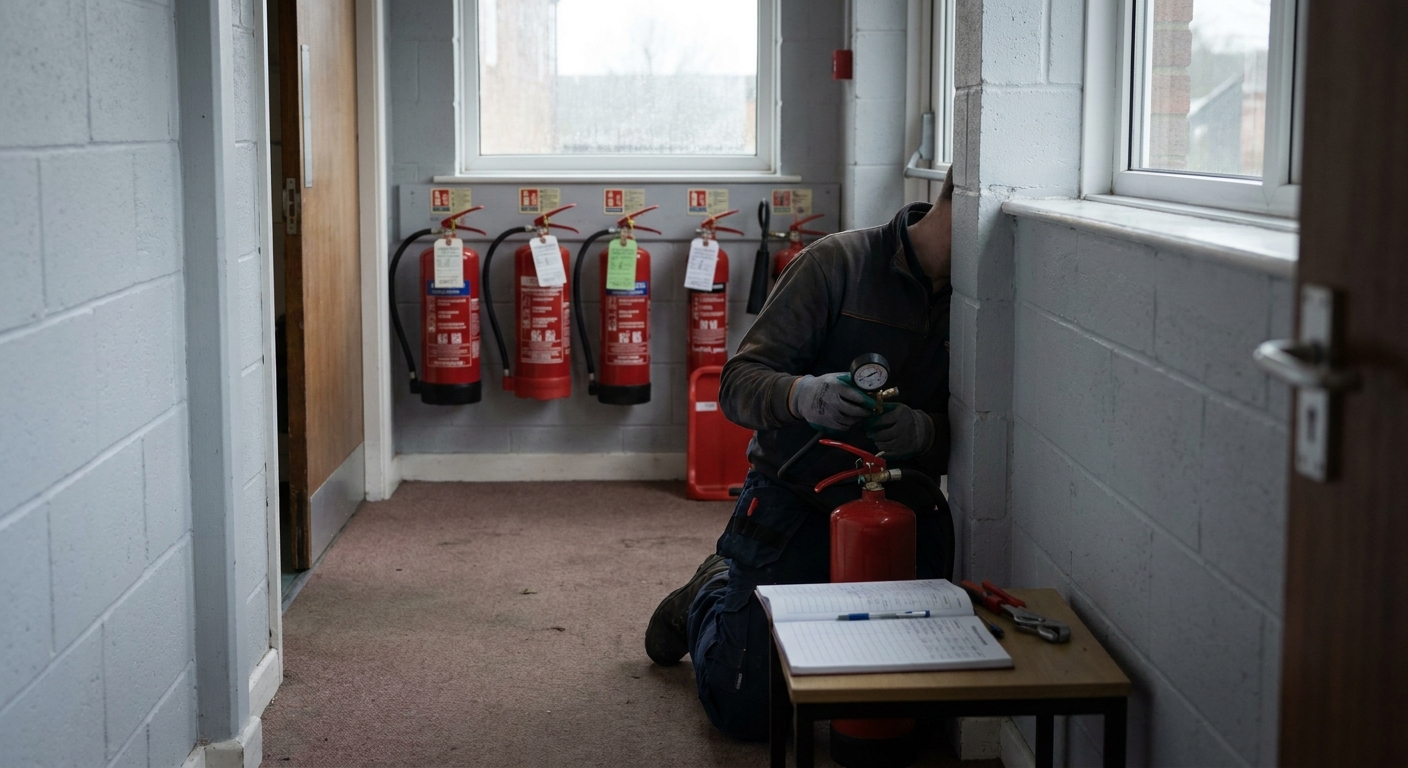
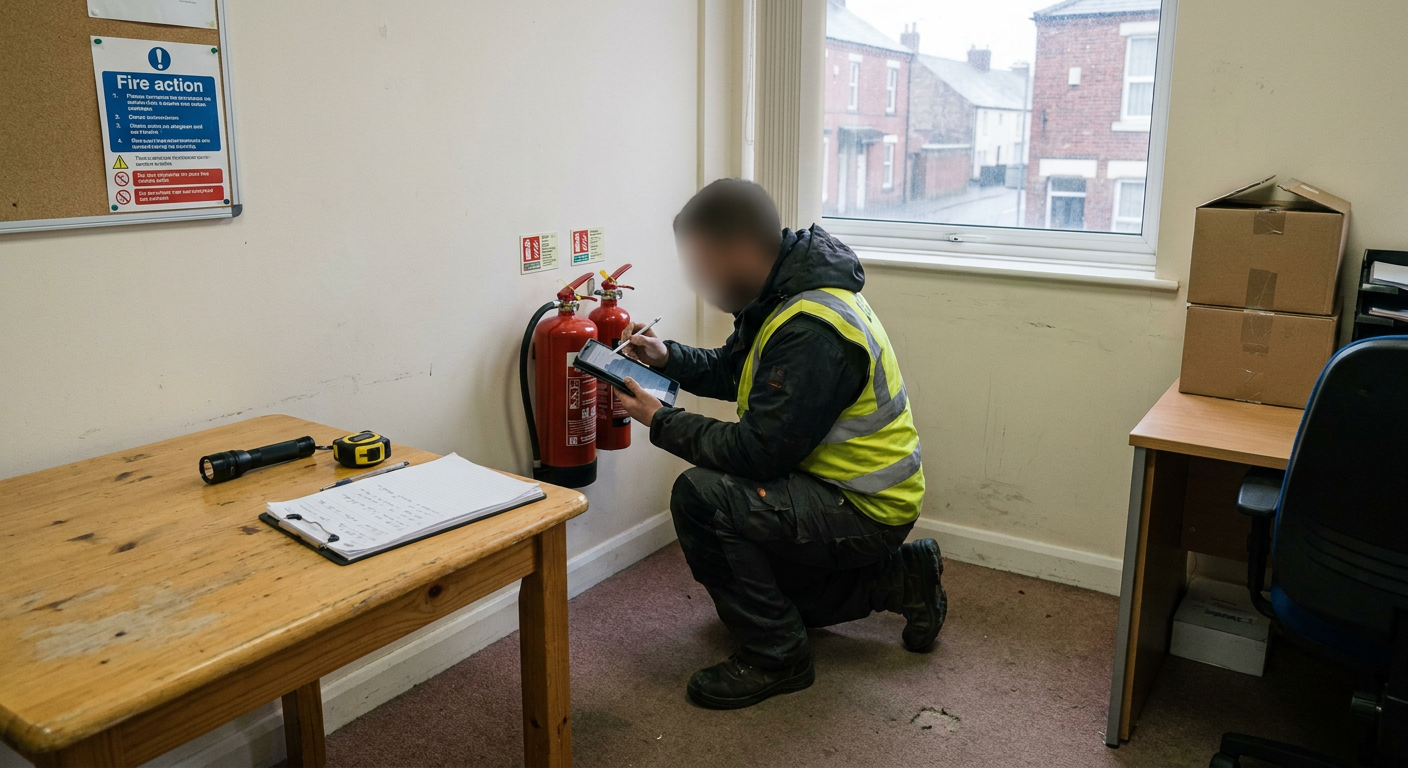
Mixed-use buildings on Maidstone high streets
A building with a takeaway or shop on the ground floor and flats above is a mixed-use building. On streets like Week Street, Gabriel's Hill and the parades in Aylesford or Larkfield, these conversions are common. Fire safety flats above shops depend on everyone knowing exactly where their responsibility begins and ends.
The owner of the flat and the person running the business below are separate responsible persons under fire risk management law. Each must look after their own space. The flat over shop fire alarm rules mean the shop owner maintains the system inside the retail unit, while the residential landlord handles detection within the flat itself. Neither can assume the other covers the whole building.
If you own a flat above a takeaway on Week Street, the shop operator is responsible for the fire alarm in their premises. You remain responsible for any alarm fitted inside your home. A specialist firm can carry out a fire assessment above commercial premises to confirm each party meets their legal duties.
Separation between the shop and the stairwell
Shop below flat fire separation relies on physical barriers that stop smoke and flames moving from the commercial unit into the residential escape route. The ceiling of the shop forms the floor of the flat, and it must resist fire for a set period, usually thirty to sixty minutes depending on the building's age and use.
When a shop owner fits a new ceiling, the work can disturb that barrier. Pipes chased through joists, downlights cut into plasterboard, or ventilation ducts routed without fire collars all create gaps. If you suspect the separation to your flat is compromised, a specialist firm performs a compartmentation survey to check every penetration. They test whether the materials used meet the required standard and identify where the protection has failed.
Your buildings insurer will want evidence that this separation exists and remains intact. After a survey, the specialist produces a report detailing the condition of the barriers. Insurers rely on this document when assessing claims or setting terms for mixed-use properties across Maidstone.
Shared stairs and commercial escape routes
In many older conversions around Maidstone town centre, the only way out of the upper flat passes the back of the commercial unit. A commercial unit residential escape route is permitted only when specific protections are in place. Whether the shop lease makes the tenant or the landlord responsible for the protected stairway depends entirely on how the lease defines the common parts. Some leases hand the entire stairwell to the residential owner; others split maintenance duties. Read the lease carefully. If the wording is unclear, a specialist firm reviews the legal obligations as part of a [fire strategy report](/fire-strategy-maidstone). Determining who is responsible for common parts in flats means checking both the lease and the physical layout. A [fire door inspection](/fire-door-inspection-maidstone) confirms the doors separating the shop from the stair close fully every time, latch properly and carry no damage that would let smoke through.
Connecting doors wedged open and uncooperative tenants
A fire door only works when it is shut. If the shop owner keeps the connecting door wedged open to move stock or let air circulate, the entire escape route loses its protection. This happens frequently in busy units along the high street.
Start by raising the problem directly with the commercial tenant. Point to the fire risk assessment, which should state clearly that the door must remain closed. If they refuse to change, put your complaint in writing so there is a record.
If the commercial tenant continues to ignore fire safety in the common parts, you can complain to Maidstone Borough Council or Kent Fire and Rescue Service. Both authorities have enforcement powers under fire safety legislation. They inspect the building, issue notices requiring remedial work, and prosecute if the danger persists. Keep copies of every letter and photograph you send them.
One assessment or two for the same building
Can one fire risk assessment cover both the shop and the flats? Usually, no. Because the responsible persons differ, the commercial unit and the residential part each require their own assessment. The shop operator commissions one for the retail space, and the flat owner arranges another for the dwelling and any shared areas they control.
Where the two spaces share a stairwell or lobby, coordination matters. The specialists carrying out the assessments need to read each other's findings so recommendations do not conflict. For example, if the shop assessment recommends changing the alarm sounder type, the residential assessment must account for how residents will recognise that signal.
A nominated person service helps when multiple owners struggle to coordinate. That individual tracks the assessments, schedules reviews, and ensures both sides act on the recommendations. Regular reviews keep pace with changes: a new takeaway kitchen, altered opening hours, or different storage practices all shift the risk profile.
What affects the cost of assessing a mixed-use building
Every building on the high street differs in layout, age and use, so the work required to assess it varies accordingly.
The specialist explains the exact cost for your building before any work begins.
- Number of storeys and flats
- More floors and dwellings mean a longer inspection and a larger report to write.
- Condition of existing barriers
- Older ceilings or damaged walls take more time to examine than recently upgraded ones.
- Type of commercial use
- A hot food takeaway presents different hazards from a clothing shop, changing the scope of work.
- Shared versus separate alarms
- Linked systems between the shop and flats require extra testing compared to standalone units.
Ask about fire safety in your mixed-use building
Send the details of your building on the high street or village parade. A specialist firm will review what you have written and respond with advice on the next steps. There is no obligation to proceed.
- No obligation to proceed
- Local to Maidstone
- Plain advice first