Guide
False fire alarms in Maidstone flats: how to cut them
Repeated false alarms in a block of flats wear residents down and make people ignore the real thing. Find out what causes them, why they matter, and what a specialist firm can do to stop them happening.
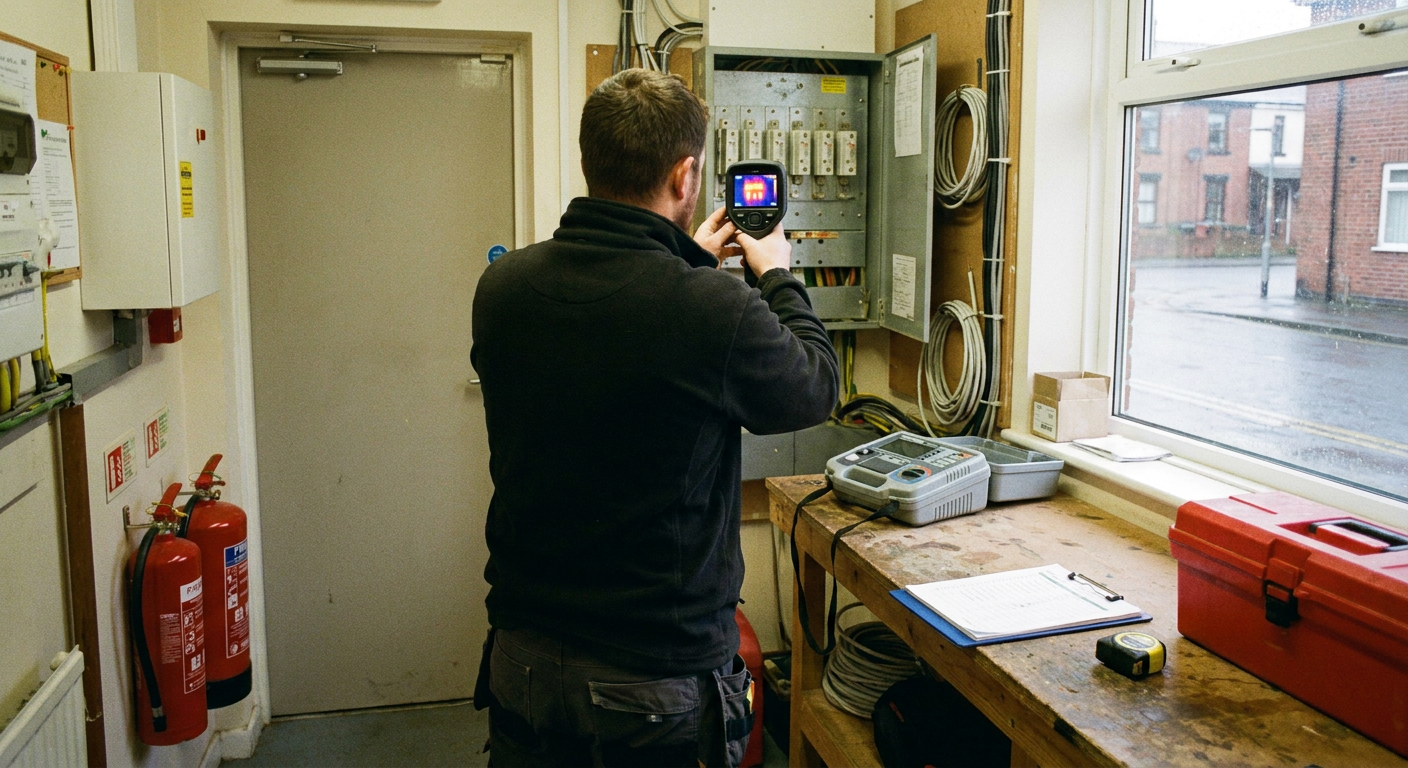
Stopping repeat false alarms in Maidstone flat blocks

Why repeated false alarms matter in a block of flats
A fire alarm that sounds at two in the morning because someone burned toast is not just annoying. After the third or fourth time, residents stop reacting. They assume it is another mistake. That hesitation is dangerous when a real fire starts.
In Maidstone blocks, false alarms account for most call outs to the fire service. Each one pulls crews away from genuine emergencies elsewhere. The responsible person for the building has a legal duty under the Regulatory Reform (Fire Safety) Order 2005 to keep the system working properly. If the alarm keeps going off without cause, the system itself becomes a risk. Read more about [responsible person duties in Maidstone](/the-law/responsible-person-duties-maidstone) to see where that obligation sits.
Residents who lose sleep start disabling smoke detectors in their own flats, which creates a separate problem. A specialist fire risk assessor will look at the pattern of false alarms as part of a wider review of how the building operates day to day.
What sets off alarms when there is no fire
Cooking is the most common trigger. Steam from kettles and showers runs a close second. In older blocks where ventilation is poor, moisture drifts along corridors and reaches detectors that were never meant to sit near a bathroom door.
Dust is another cause. After building work or a deep clean, particles hang in the air and settle inside detector chambers. A sensor designed to spot smoke cannot always tell the difference between smoke and plaster dust. Insects get inside too, particularly in summer.
Electrical faults in the alarm panel or wiring produce false signals. So does a failing battery in a standalone unit. If the building uses a central panel, a single loose connection can set off every sounder in the block. A firm that carries out [fire extinguisher testing and alarm checks](/fire-alarm-and-extinguisher-testing-advice-maidstone) will test the circuitry alongside the devices themselves. Knowing whether the problem is mechanical or behavioural changes what needs to happen next.
Choosing the right detector for each location
Not every room needs the same type of detector. Optical smoke alarms react quickly to smouldering fires but are sensitive to steam. Heat alarms ignore steam and cooking fumes but respond only once a fire is already producing significant warmth.
A common mistake in converted houses and older purpose-built blocks is fitting optical smoke alarms directly outside kitchens and bathrooms. Moving the detector back a few feet, or swapping it for a heat alarm in that specific spot, can eliminate weeks of nuisance calls. This kind of detail comes up during a [compartmentation survey](/compartmentation-survey-maidstone), where a specialist checks how fire and smoke travel through the structure and whether the detection layout matches the actual floor plan.
Multi-sensor detectors combine heat and smoke readings to reduce false triggers. They cost more per unit but save money on unnecessary call outs and maintenance visits. The choice depends on the building, and a fire strategy report will set out which type belongs where.
Maintenance and testing routines that prevent faults
Detectors need cleaning. Dust builds up inside the chamber over months, and a dirty sensor becomes oversensitive. Manufacturers state how often each model should be vacuumed or replaced, but those intervals assume normal conditions. A block near a main road or construction site may need attention sooner.
Weekly tests confirm the sounders work. They do not prove the sensors are reading the environment correctly. A specialist firm will use test aerosol or calibrated equipment to check each head individually. Records of these checks form part of the [fire safety policy and procedures](/fire-safety-policy-and-procedures-maidstone) for the building.
If false alarms cluster around certain times of day, the logbook holds the answer. Patterns point to shower times, cooking hours or cleaning schedules. Without written records, the responsible person is guessing. Keeping a clear log means the next inspection starts with facts rather than assumptions.
Helping residents understand their role
Most false alarms in flats come from everyday activities. Residents who know where the detectors are and what sets them off will open a window while frying food or run the extractor fan before boiling a kettle. Small habits make a measurable difference.
Briefing tenants does not require a formal course. A printed sheet handed out at the start of a tenancy, or a notice in the communal hallway, covers the basics. For staff in managed buildings, [fire safety awareness training](/fire-safety-awareness-training-maidstone) includes how to respond when the panel shows a fault signal versus a confirmed fire.
Landlords letting to multiple households have additional responsibilities. An [HMO fire risk assessment](/hmo-fire-risk-assessment-maidstone) examines shared kitchens and hallways where cooking smells and steam affect several detectors at once. Student housing presents similar challenges, since high occupancy and frequent turnover mean new residents arrive without knowing the quirks of the alarm system.
Ask about your alarm problems
Send details of the false alarms you are seeing. A specialist firm will read what you write and explain what a visit would involve. There is no obligation to book anything.
- No commitment required
- Local to Maidstone
- Clear next steps